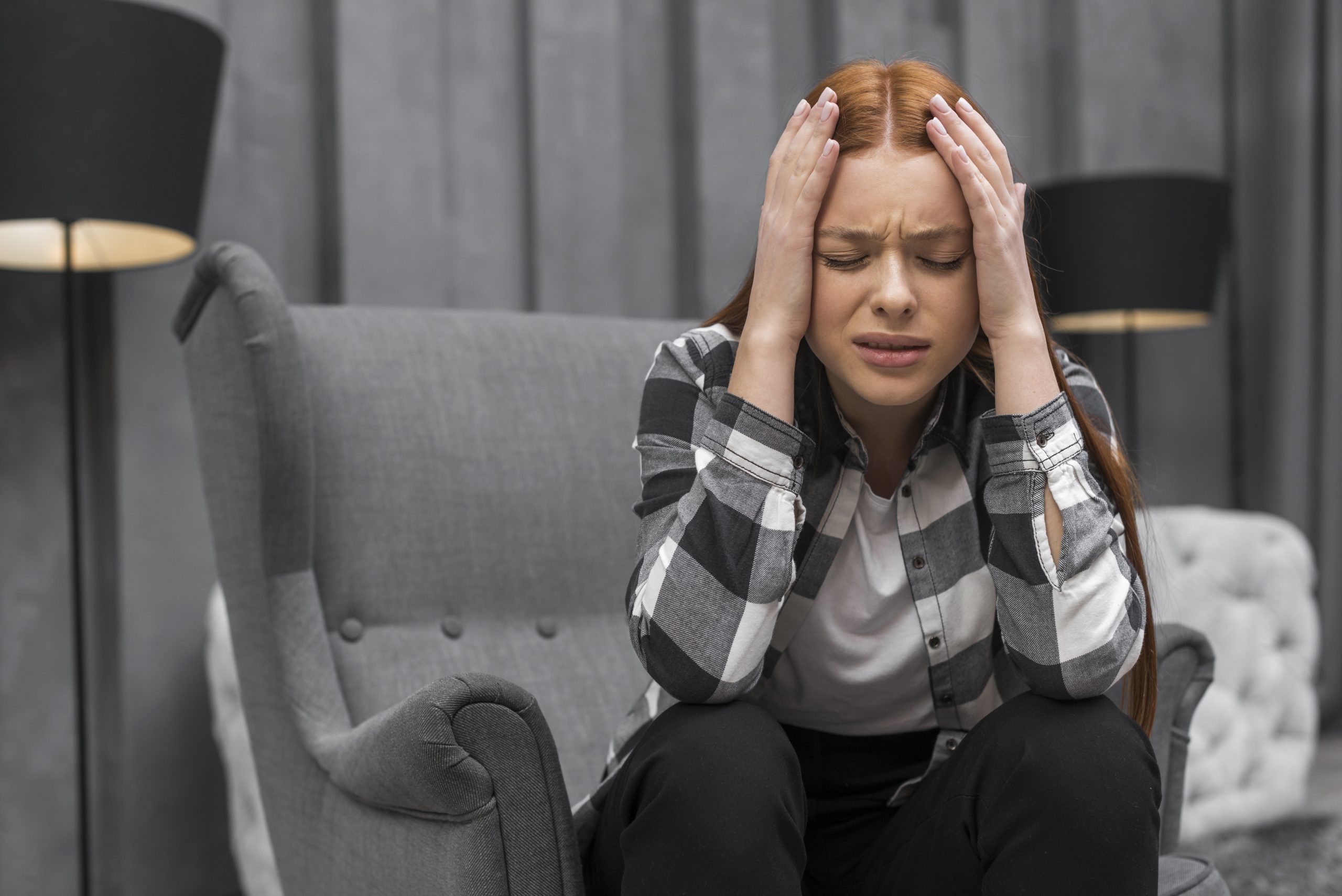
Anxiety is a normal response to stress, but when it becomes overwhelming, it can interfere with your ability to think clearly, work, or enjoy everyday life. During periods of severe anxiety, your body may feel like it is constantly on high alert, making it difficult to regain a sense of calm.
While there is no instant cure for anxiety, several techniques can help reduce intense symptoms and make the situation more manageable. Understanding what works in the moment and knowing when to seek professional care can make a significant difference in your mental well-being.
Severe anxiety affects both the mind and body. Some symptoms can appear suddenly, while others build gradually throughout the day. Common signs include:
If these symptoms become frequent or begin interfering with your daily life, professional evaluation is important to determine the underlying cause and develop an effective treatment plan.
When anxiety feels overwhelming, simple strategies can help slow your body’s stress response.
People with anxiety disorders often causes fast, shallow breathing that can increase feelings of panic. Slow, controlled breathing signals your nervous system to relax. Try inhaling slowly through your nose, holding your breath for a few seconds, and exhaling gently through your mouth.
Grounding techniques help redirect your attention away from anxious thoughts and back to the present moment. One popular approach is the 5-4-3-2-1 method, where you identify things you can see, touch, hear, smell, and taste.
Progressively tensing and relaxing different muscle groups can reduce physical tension that often accompanies anxiety. Even a few minutes of muscle relaxation may help decrease feelings of stress.
While some anxiety develops without an obvious cause, certain habits and situations can make the symptoms of anxiety worse.
High amounts of caffeine and other stimulants may increase nervousness, restlessness, and rapid heart rate in some people. Reducing your intake may help lower anxiety levels.
Poor sleep and anxiety often create a cycle where each makes the other worse. Maintaining a consistent sleep schedule and practicing healthy bedtime habits can support emotional regulation.
Regular exercise encourages the release of chemicals that naturally improve mood and reduce stress. Even a short walk can help interrupt anxious thinking and improve your overall sense of well-being.
Self-help techniques are valuable, but they may not be enough for people experiencing persistent or severe anxiety and needing treatment. If anxiety continues despite lifestyle changes or begins affecting relationships, work, or daily responsibilities, professional care can provide lasting relief.
At True Self Mental Wellness, treatment begins with a comprehensive psychiatric evaluation to better understand your symptoms and identify contributing factors. Care is personalized rather than relying on a one-size-fits-all approach. Depending on your individual needs, treatment may include medication management with ongoing monitoring, pharmacogenomic genetic testing to help guide medication selection, and advanced options such as ketamine therapy for individuals with treatment-resistant anxiety.
Managing anxiety is often an ongoing process rather than a one-time solution. Developing healthy routines can reduce the frequency and intensity of anxious episodes over time.
Mindfulness encourages you to observe thoughts without immediately reacting to them. Regular practice can improve emotional awareness and reduce excessive worry.
Talking with trusted friends or family members can provide reassurance during stressful periods. Social support also helps reduce feelings of isolation that sometimes accompany anxiety.
If you’ve been prescribed medication or recommended follow-up appointments, consistency is essential. Treatment plans often require adjustments over time to achieve the best results.
As Sarah Martin, BSN, RN, emphasizes through the patient-centered philosophy at True Self Mental Wellness, individualized care and ongoing support are important parts of helping people regain control over their mental health.
Learning how to calm severe anxiety fast begins with recognizing your symptoms and using practical techniques such as controlled breathing, grounding exercises, muscle relaxation, and healthy daily habits. While these strategies can provide immediate relief, persistent anxiety often requires professional evaluation and personalized treatment.
True Self Mental Wellness offers evidence-based care designed around each individual’s unique needs, helping patients move beyond temporary symptom relief toward long-term emotional wellness. If anxiety is becoming difficult to manage on your own, seeking guidance from an experienced mental health provider can be an important step toward feeling more like yourself again.

About the Author
Sarah Martin, BSN, RN
Your Path Forward Starts Here

July 6, 2026