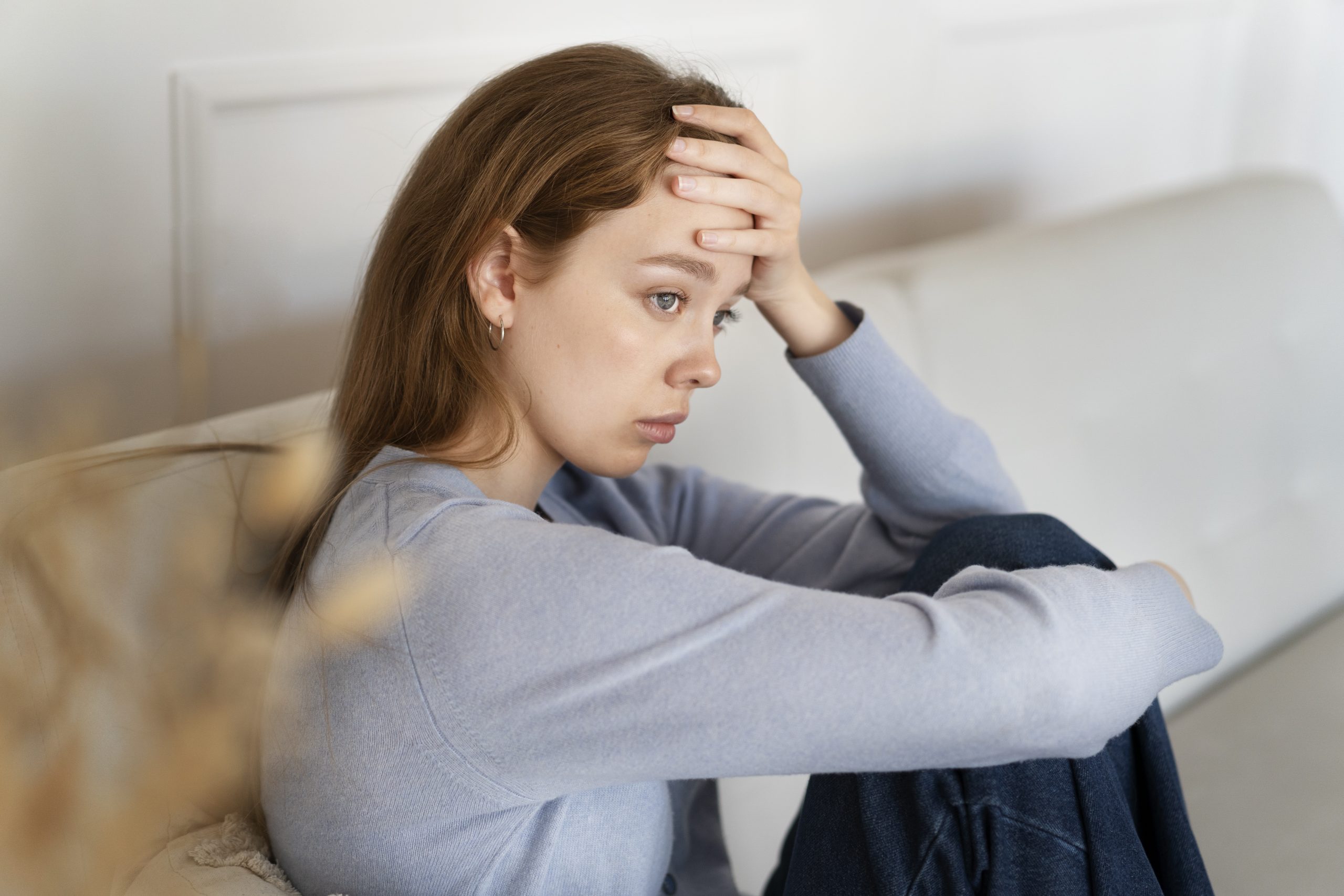
Anxiety is often thought of as a mental or emotional experience, but its effects are deeply physical as well. For many individuals, the body reacts before the mind can fully process what is happening. These physical symptoms can feel intense, confusing, and even alarming, especially when they appear without a clear cause. Understanding how anxiety shows up in the body can help reduce fear and make it easier to seek the right support.
When the brain senses stress or danger, it activates the body’s natural defense system. This response is designed to protect you, preparing your body to react quickly. Hormones like adrenaline and cortisol are released, increasing heart rate, sharpening focus, and sending energy to vital muscles.
While this response is helpful in short bursts, ongoing anxiety can keep the body in a constant state of alert. Over time, this leads to persistent physical discomfort that may interfere with daily life.
Anxiety disorder can present in many different ways, and symptoms may vary from person to person. Some individuals experience mild discomfort, while others may feel symptoms that mimic serious medical conditions.
Common physical symptoms include:
Rapid or irregular heartbeat
Shortness of breath or tightness in the chest
Muscle tension or body aches
Sweating or chills
Dizziness or lightheadedness
Nausea or digestive discomfort
Fatigue or low energy levels
These symptoms can occur suddenly or build gradually, often without an obvious trigger.
The physical sensations caused by anxiety are real, not imagined. They are the result of biological processes that prepare the body for immediate action. When this response is activated too frequently, it can create a cycle where symptoms increase anxiety, and anxiety intensifies symptoms.
The autonomic nervous system controls involuntary functions like breathing and heart rate. This condition activates the sympathetic branch, often referred to as the fight or flight response. When this system stays active for long periods, it can lead to chronic physical tension and discomfort.
Anxiety can also make individuals more aware of normal bodily sensations. Small changes in breathing or heart rate may feel exaggerated, leading to increased worry and further physical reactions.
Chronic anxiety does not just cause temporary symptoms. Over time, it can affect overall physical health. Ongoing muscle tension may lead to pain, while disrupted sleep can contribute to fatigue and reduced immune function.
Digestive issues are also common, as stress can interfere with how the body processes food. Many individuals report stomach discomfort, changes in appetite, or irregular digestion during periods of high anxiety.
Understanding this connection highlights the importance of addressing anxiety early, before it begins to impact multiple areas of health.
It can be difficult to tell whether symptoms are caused by anxiety or another medical condition. While anxiety-related symptoms are common, they should never be ignored, especially if they are new, severe, or worsening.
Seeking a professional evaluation can provide clarity and reassurance. A clinical assessment helps rule out underlying conditions and identifies whether anxiety is the primary cause. At True Self Mental Wellness, patients receive thorough evaluations that consider both physical and emotional health.
Managing anxiety-related physical symptoms involves calming both the mind and the body. Simple techniques can help regulate the nervous system and reduce discomfort over time.
Slow, controlled breathing can help lower heart rate and reduce tension. Practicing deep breathing regularly can make it easier to manage symptoms when they arise.
Consistent sleep, balanced nutrition, and regular physical activity all support the body’s ability to handle stress. Reducing caffeine and staying hydrated can also minimize certain symptoms.
For individuals experiencing persistent or severe symptoms, professional care can make a significant difference. Evidence-based approaches such as therapy and medication management help address the root cause of anxiety rather than just the symptoms. Under the guidance of Sarah Martin, BSN, RN, patients can receive personalized care designed to restore balance and improve overall well-being.
Anxiety physical symptoms can feel overwhelming, but they are a natural response to stress within the body. Recognizing these sensations as part of a broader anxiety response can reduce fear and help individuals take the next step toward care. With the right support from providers like True Self Mental Wellness, it is possible to manage symptoms effectively and regain a sense of control over both mind and body.

About the Author
Sarah Martin, BSN, RN
Your Path Forward Starts Here

July 5, 2026