
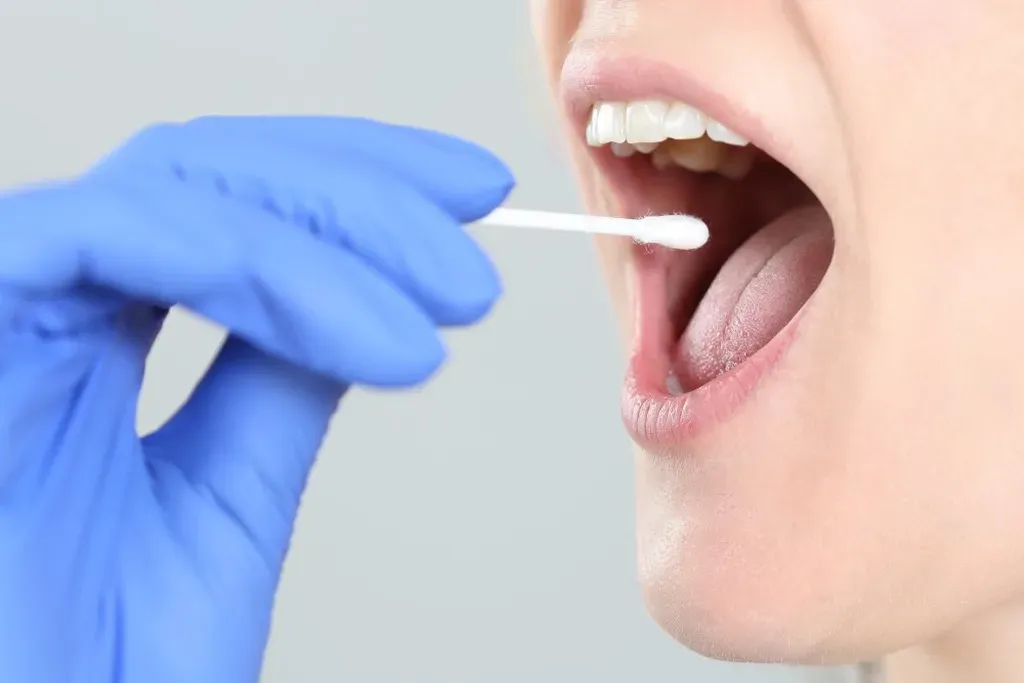
Genetic testing for antidepressants can help people with depression, anxiety, bipolar disorder, ADHD, OCD or PTSD, especially those who have tried medications that did not work or caused hard-to-tolerate side effects. A simple cheek swab shows how your body is likely to process and respond to many psychiatric medications. At True Self Mental Wellness, we use those results to guide medication choices, so your treatment starts from your own biology rather than guesswork.
Pharmacogenomic testing studies how your genes affect your response to medication. Many people simply call it genetic testing. The word combines “pharmaco,” meaning drugs, and “genomic,” meaning genes.
Your DNA affects how quickly your body breaks down a medication. It also affects how well that medication works for you. Two people can take the same antidepressant at the same dose and have very different experiences. One person feels better within a few weeks. The other notices no change or struggles with side effects. Genetic differences often help explain why.
Genetic testing is quick, painless and non-invasive. In most cases, it uses a cheek swab, so no needles are involved. The sample goes to a lab for analysis. A report then comes back that sorts medications by how your genes are likely to interact with them.
Your genes do not change over time. This means one test can guide medication decisions now and in the future.
The test focuses on two main areas.
Metabolism: Some genes control how fast your body breaks down medications. A fast metabolizer may clear a drug before it has a chance to work. A slow metabolizer may build up higher levels of a drug, which can lead to more side effects.
Response: Other genes are linked to how your brain and body respond to certain medications once they are in your system.
The results cover many psychiatric medications, including antidepressants. They do not diagnose a condition. They also cannot promise that one medication will work. What they do is show which options may be a good fit, which may need a dose adjustment, and which may be worth avoiding.
Our approach to medication management is built on individualized plans rather than a one-size-fits-all formula. Genetic results add another layer of information to that plan. We weigh them alongside your symptoms, health history, current medications and personal goals.
Without genetic information, finding the right antidepressant often follows a familiar pattern. A provider picks a medication, you wait several weeks to see if it helps, and then the dose is adjusted or the medication is switched. Each round takes time and energy. That is hard when you are already struggling with your mental health.
Genetic testing helps narrow the choices from the start. It cannot remove every adjustment, but it gives your provider a clearer starting point. For many patients, that means fewer rounds of trying medications that were unlikely to work for their body.

Antidepressants are among the most common medications prescribed for depression. There are many different types, and each works a little differently. Genetic testing can help point toward the options that match how your body processes medication. This is helpful whether you are starting treatment for the first time or have already tried several medications.
Many medications used for anxiety are also antidepressants. People with anxiety can be especially sensitive to early side effects such as restlessness or an upset stomach. These side effects may make anxiety feel worse at first. Genetic results can help your provider choose a medication and a starting dose that your body is more likely to tolerate.
Treatment for bipolar disorder often involves more than one medication, and finding a stable balance can take time. Genetic testing gives your provider more information about how your body handles different medications. That can support careful decisions about which medications to use and at what doses.
Genetic testing is not limited to depression. People being treated for ADHD, OCD or PTSD may also take antidepressants or other psychiatric medications. The same genes that affect antidepressant metabolism can affect these medications too. Knowing your genetic profile helps your provider plan around it.
If you have tried two or more medications without enough improvement, genetic testing may help explain why. Your body may break those drugs down too quickly, or your genes may make certain medications a poor match. Those insights can guide your next step.
For patients with treatment-resistant depression, we also offer intramuscular ketamine therapy when it is appropriate. Genetic testing and ketamine therapy can both be part of a plan for people who have not found success with traditional medications alone.
Some patients avoid medication because of a past bad experience with side effects. Others worry about side effects before they ever start. Genetic testing can flag medications that your body may process slowly. Slow processing can lead to higher drug levels and more side effects.
This information can also help patients who take several medications for other health conditions. For these patients, knowing how the body processes medication adds useful information when building a plan.
When your medication matches how your body works, you have a better chance of seeing real improvement. Genetic testing helps your provider make informed choices rather than relying only on what works for the average patient. The goal is a treatment plan built around you.
Side effects are one of the most common reasons people stop taking their medication. Genetic results can help your provider avoid medications that are likely to cause problems for you. They can also help your provider adjust doses to fit your metabolism. That can make treatment easier to stick with.
Each medication trial can take several weeks before you know whether it is working. Starting with a better-matched option may help you reach an effective medication sooner. That can mean less time spent waiting for relief and more time feeling like yourself again.

Consider asking about genetic testing if any of these apply to you:
You have tried one or more antidepressants without enough improvement.
You had side effects that made it hard to continue a medication.
You are starting psychiatric medication for the first time and want more information upfront.
You take several medications and want to understand how your body processes them.
You have a family member who had trouble finding a medication that worked.
Your provider can help you decide whether testing makes sense for your situation. A psychiatric evaluation is often a good place to start that conversation.
The process begins with a conversation about your symptoms, history and past experiences with medication. If testing is a good fit, the sample is collected with a simple cheek swab. Once your results return, your provider walks you through what they mean and how they shape your options.
From there, your provider uses the results to build or adjust your treatment plan. You leave knowing which medications may suit your body and why your provider recommends a certain path. You also know how your progress will be followed over time. Genetic testing is one tool among many, and it works as part of ongoing, personalized care.
Who can benefit from genetic testing for antidepressants? People with depression, anxiety, bipolar disorder, ADHD, OCD or PTSD may benefit, especially those who have struggled with medications that did not work or caused side effects. A simple cheek swab reveals how your body processes medication. Those results help our providers reduce trial and error and build a treatment plan around your unique biology.